Engineering Services
We provide structural engineering design, analysis, and tailored building solutions for commercial, retail, and residential projects. We also perform Probable Maximum Loss (PML) and ASCE 41 seismic risk assessments to help owners understand a building’s financial exposure and seismic resilience.
Structural Engineering
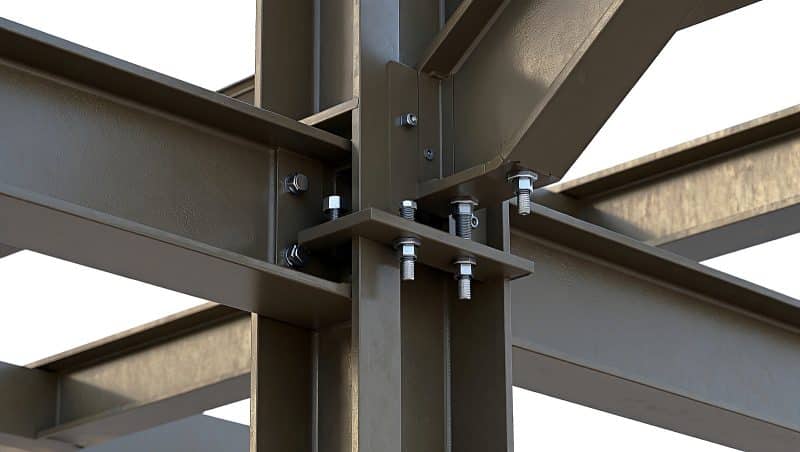
Working with owners, architects, and contractors, we deliver practical structural design solutions for retail, commercial, and residential projects. We provide clear options so you can select the approach best suited to your specific situation.
Licensed in California, Colorado, and Indiana.
Our Structural design services include
Seismic Risk Studies
Operating as Boatwright Building Consultants since 1979, we have performed seismic design and post-earthquake reconnaissance since 1972. We provide PML Level 1 and ASCE 41 Tier 1 seismic risk assessments. These studies help building owners understand financial exposure and a building’s seismic resilience.
PML Seismic Risk Assessments
PML Study
Insight
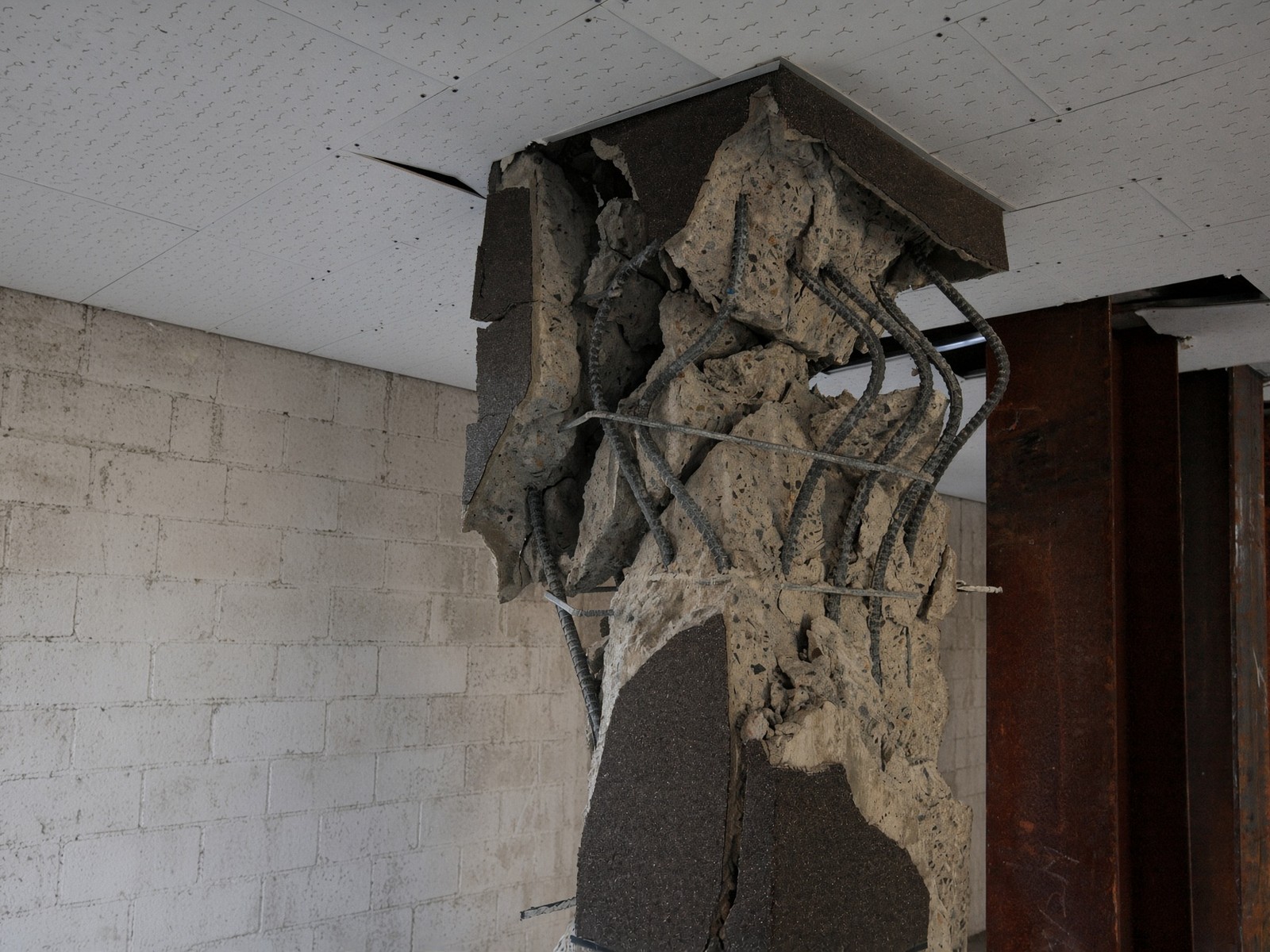
A PML seismic risk study provides an estimate of the financial loss a building could experience during an earthquake, with the PML value shown as a percentage of the building’s total replacement cost.
Standards &
Guidelines
PML studies must follow ASTM 2026 and ASTM 2557 guidelines, and be performed by a licensed engineer experienced in seismic design, post-earthquake reconnaissance, and familiar with ASCE 31 and ASCE 41 standards.
Level 1
Investigation
A Level 1 study thoroughly assesses a building’s structural integrity and seismic resistance. It includes an on-site inspection of key features, construction quality, and a review of geotechnical reports, engineering analysis, and building plans.
Advanced Risk
Modeling
For risk assessment, we use ST-Risk™. This advanced proprietary software employs advanced computer modeling that produces earthquake damage estimates which closely match historical loss data.
ASCE 41-3 Seismic Risk Assessments
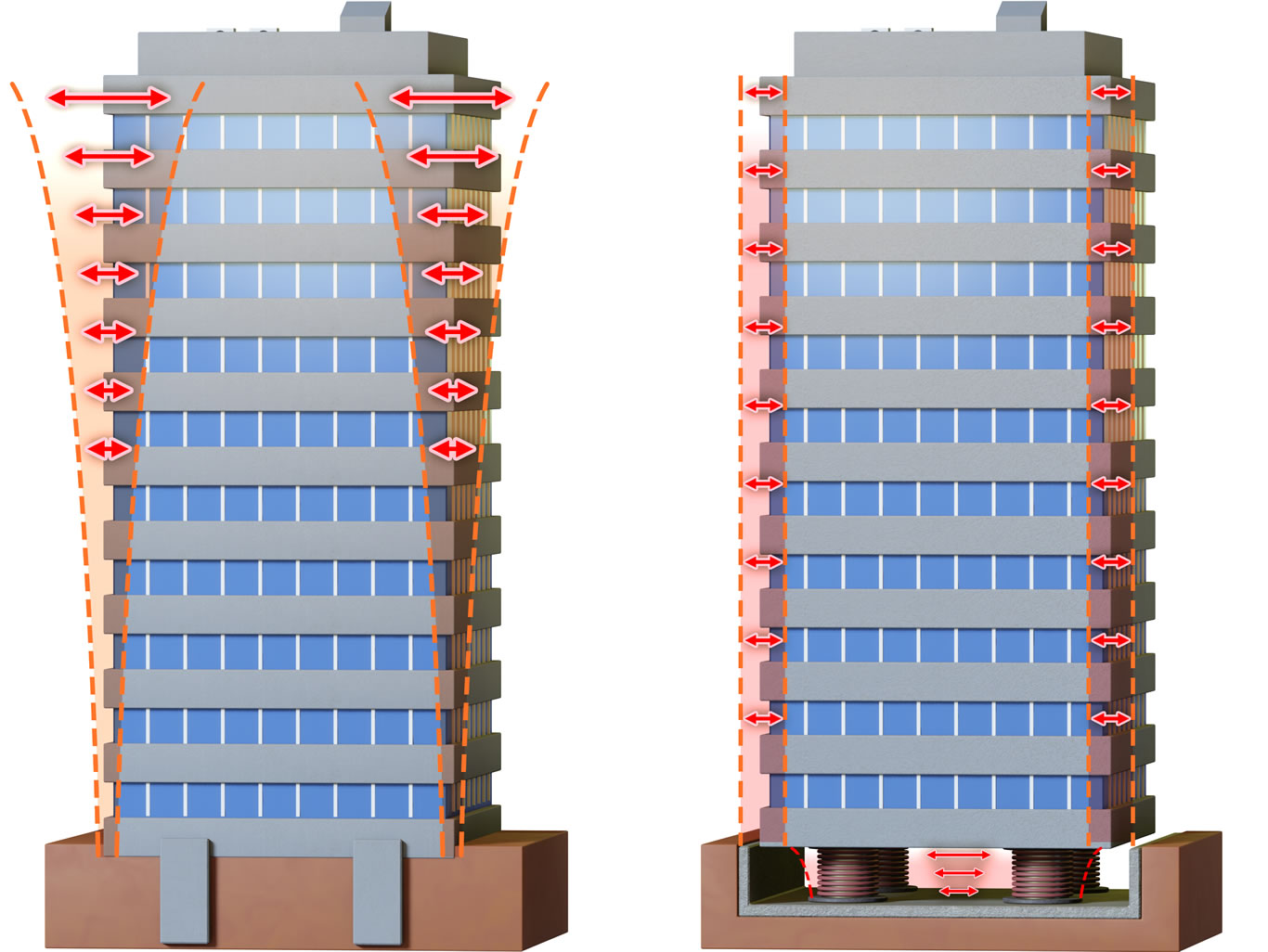
This screening study evaluates the seismic resilience of existing buildings and provides a structured framework for assessing and retrofitting structures to address earthquake hazards.
Tier 1 Screening Process
- An engineer conducts a site visit using ASCE 41 checklists tailored to the building type and seismic hazard level.
- Architectural and structural plans are reviewed to understand the building’s design & construction characteristics.
- The building is evaluated against known performance patterns of similar structures that have experienced past earthquakes to identify potential structural deficiencies.
- Items found non-compliant during Tier 1 may trigger a Tier 2 deficiency-based analysis to determine if strengthening is required or if the structural capacity meets ASCE 41 standards.
Our structural engineering work is often accompanied by detailed building investigations and construction defect analysis when conditions require further evaluation.